
Overcoming Feeling Alone and Isolated: A Guide to Connecting
I have learned a lot of things about life.
For example, we cannot know real joy until we have experienced the backdrop of pain. We always have choices, and not choosing anything is still a choice. Running away from, or simply hiding, our “problems” does not free us from them. Very little of what we want out of life will fall into our laps — living fully alive takes work and intentional purpose.
And none of it is fun to walk alone and isolated.
The Power of Support and Accountability
Having been mentored through some bottom-of-the-pit seasons of my own life, I’ve realized how powerful it is to have someone in my corner, encouraging, stretching, pushing, and holding me accountable to follow through with the hard steps I knew I needed to take. Any time my counselor noticed a hint of hardness in my heart, or bitterness in my attitude, she would point it out and remind me that no matter what happened, a hard, bitter heart would never amount to anything good, or healing, or Christ-honoring. It often takes an outside perspective to identify both weaknesses and strengths of character and integrity, to help see how to foster better relationships in general, and encourage a strong focus on the legacy you want to leave. Where I am today would look very different had it not been for that accountability which kept me from pushing the easy, I-just-want-to-be-happy button.
The Importance of Seeking Help
I am still learning, and I certainly do not have all the answers. But I can help you look at your situation differently, and find ways to improve your emotional stability and clarity. I can steer you toward wisdom, and away from complicating matters even more than they already are. And I can help you evaluate what you’ve already been through so that the next season of your life is not a repeat of the last season.
3-Step Action Plan to Overcome Feeling Alone and Isolated
1. Seek Support and Accountability
- Find a Mentor, Coach or Counselor: Look for someone who can offer guidance, support, and accountability. This could be a professional counselor, a trusted friend, or a mentor who has walked through similar experiences, or a relationship coach specializing in trauma and attachment.
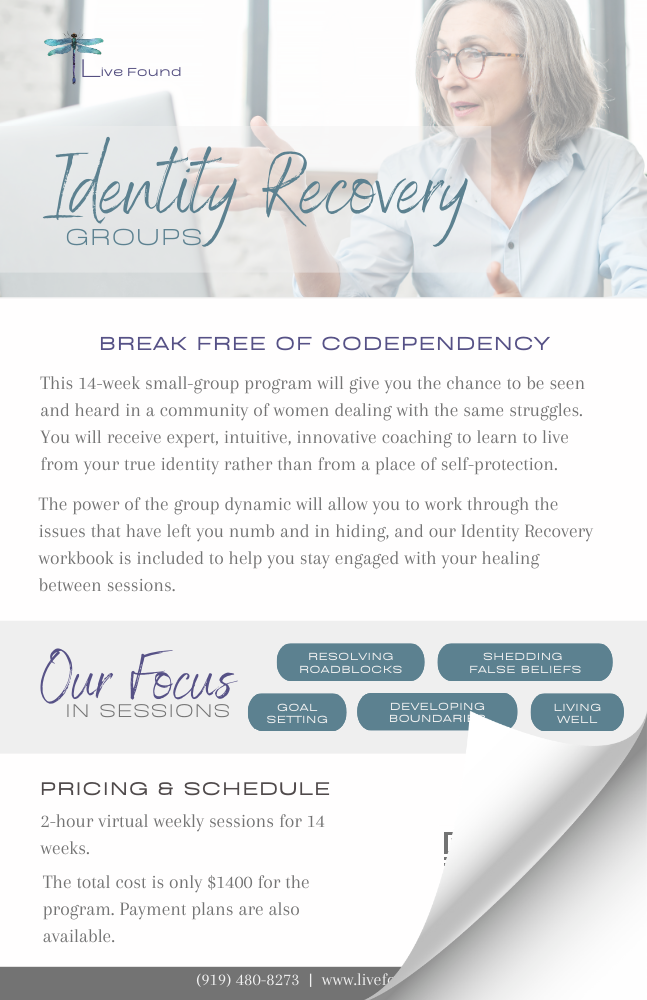
- Join a Support Group: Being part of a group with shared experiences can provide emotional support and practical advice. Look for local or online support groups that focus on your specific challenges.
2. Reflect and Take Action
- Evaluate Your Current Situation: Take time to honestly assess where you are emotionally, spiritually, and relationally. Identify areas where you feel stuck or isolated.
- Set Small, Achievable Goals: Break down your larger goals into smaller, manageable steps. Celebrate your progress along the way, no matter how small it may seem.
3. Cultivate Positive Relationships
- Invest in Healthy Relationships: Surround yourself with people who uplift and encourage you. This may mean reevaluating and possibly distancing yourself from toxic relationships.
- Be Open to New Connections: Attend community events, church gatherings, or social activities where you can meet new people and build supportive friendships.
By taking these steps, you can move from feeling alone and isolated to finding a network of support and a path to emotional stability and clarity. Remember, you don’t have to walk this journey alone. We would love to be the help you need and embrace the positive changes that come with it. Schedule a session with one of our expert coaches to make a plan.